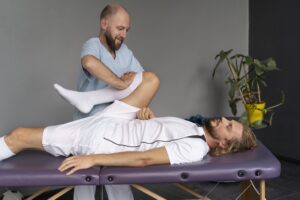
Yes, tight neck and facial muscles can lead to jaw pain by changing how your jaw moves during everyday activities. Tension, limited movement, and poor posture can put extra stress on the jaw joint. A careful assessment helps find out what’s causing your symptoms before starting treatment.
Why can muscle tension in the neck affect your jaw?
Your jaw and neck work together whenever you chew, talk, swallow, or yawn. If your neck muscles are tight, they can change your head position and put more strain on the muscles that move your jaw. Over time, this can cause discomfort, stiffness, or make it harder to move your jaw.
A chiropractor will carefully check your posture, how your joints move, how your muscles work, and your movement habits. This helps find out if your symptoms come from muscles, joints, or another issue that needs the right care.
People who visit a soft tissue injury chiropractor Toronto often find that muscle tightness can affect areas beyond where they feel pain.
Which muscles commonly contribute to jaw discomfort?
Many muscles around your jaw, face, and neck work together all day. If these muscles are tight or less flexible, it can make chewing, talking, or opening your mouth uncomfortable.
How can chiropractic care improve muscle-related jaw pain?
Treatment starts by finding out why your symptoms started, not just treating the painful spots. Chiropractic care based on research may include hands-on therapy, soft tissue work, exercises to improve movement, and advice to help you move better.
Your chiropractor might suggest exercises to help your neck move better and ease muscle tension. These exercises can improve how you move and help you manage your symptoms over time.
Many people who see a jaw pain chiropractor Toronto find it helpful to learn easy posture and movement tips for daily life.
Why does posture influence jaw symptoms?
When your head leans forward, your neck muscles have to work harder all day. As these muscles get tired, nearby tissues can put more stress on your jaw during normal activities.
Why should treatment include both the jaw and the neck?
Jaw pain does not always start in the jaw. Stiffness in your neck, tight muscles, or movement problems can also cause ongoing symptoms.
A thorough assessment looks at how your jaw, neck, and nearby muscles work together. Treating these connections usually leads to better results than just focusing on one sore spot.
Evidence-based chiropractic care begins with a thorough assessment and a personalized treatment plan. Care may include manual therapy, mobility exercises, soft tissue techniques, and patient education based on each person’s symptoms, movement limitations, and functional goals.
Coming back for follow-up visits with a soft tissue injury chiropractor Toronto helps your treatment progress as your movement and muscle function get better.
When should jaw pain be professionally assessed?
If jaw pain keeps bothering you and affects eating, talking, or daily life, it’s important to get it checked by a professional. Seeing someone early can help spot movement problems before they become harder to fix.
People who visit a jaw pain chiropractor Toronto also get advice on exercises and daily habits that help them keep improving between visits.
Conclusion
Jaw pain usually comes from several causes, not just one problem. Learning how your neck, muscles, and movement habits work together can help you recover better. A personalized assessment and gentle treatment plan can improve your daily life and support healthy movement for the long term.
FAQ’s
Can neck stiffness really make my jaw hurt?
Yes. Tight neck muscles can change your head position and add tension around your jaw. Treating both your neck and jaw often leads to better recovery.
Should I see a chiropractor if my dentist finds no dental problem?
If your dentist has ruled out dental problems, a chiropractor can check if muscle tension or movement issues are causing your symptoms. A careful exam helps guide the right treatment.
Can exercises help reduce jaw muscle tension?
Yes. The right exercises can help your muscles become more flexible and improve how your jaw and neck move. Your provider will suggest exercises that fit your needs